You’ve probably already heard many of the reasons recycling is a good idea. You might even know that recycling one ton of aluminum saves 14,000 kWh of energy or that recycling one ton of glass prevents the release of 7.5 pounds of air pollutants.
But there’s a difference between knowing something is good and actually doing it. Perhaps recycling intimidates you because you’re not sure which items are recyclable. You might also wonder how you actually go about recycling items around your house.
Fortunately, recycling can be simple if you follow these preparation tips for various recyclable items.
Cans and Jars
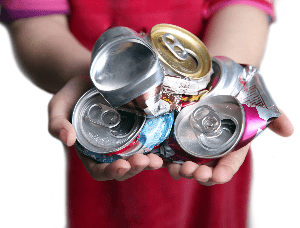
If you drink soda or eat canned food regularly, you likely go through quite a few cans every week. Fortunately, you can recycle them. At recycling plants, cans are melted and turned into new cans and other products.
To recycle your cans, you’ll first need to rinse them out. Food and drink can attract insects and animals that you don’t want in your recycling bin. Then, your best bet is to crush the cans via a tool called a can crusher. Crushing your cans helps you save a lot of space in your recycling bin so you can recycle plenty of other items.
Glass jars are recyclable as well. As with cans, you’ll need to rinse out your glass bottles before you recycle them. Fortunately, you don’t have to bother with removing the labels from glass bottles, as the labels are removed during the recycling process.
Milk Jugs
The average American drinks 20.4 gallons of milk each year. If you’re like the average American, you likely have many milk jugs to recycle.
All you need to do is rinse out the milk jug with water. There’s no need to recycle the cap, since most caps aren’t recyclable. Your recycled milk jug could become a variety of different items, such as furniture, packaging, or pipe.
The same principles apply to other jug-like containers, such as detergent bottles. Rinse them and remove the cap before placing them in the recycling bin.
Cereal Boxes and Cardboard Boxes
Cereal boxes are made of cardboard and can easily be made into other boxes. First, remove the box’s plastic insert, which isn’t recyclable. Next, you’ll need to open the flaps of the cereal box and flatten the box. A non-flattened box takes many times more space than a flattened box does. You can even stack many flattened boxes on top of each other.
You can recycle cardboard boxes as well. Remove any packing materials from inside the box. As you do with cereal boxes, you’ll need to break cardboard boxes down to save space.
Amazingly, you can save nine cubic yards in a landfill by recycling one ton of cardboard.
Paper
You can recycle any of the following paper products:
- Newspaper
- Magazines
- Phone books
- Catalogs
- Mailed advertisements
Unfortunately, you can’t recycle tissue or waxed paper.
To recycle loose paper, separate it from your other recyclable items. Make sure to put it on the bottom of your recycling bin so it doesn’t blow away.
Plastic Containers
You can recycle any of the following plastic containers:
- Peanut butter jars
- Water bottles
- Yogurt containers
- Cleaner bottles
- Cooking oil containers
- Medicine bottles
- Condiment bottles
Look for the recycling symbol on the bottom of these containers to make sure they’re recyclable. Check that there is no food stuck inside that could attract hungry animals. You can crush the containers if you want to save space.
Electronics
Many people wonder what to do with their old electronics. You can recycle many of your electronics, such as:
- Computers
- Cell phones
- Printers
- Fax machines
- Televisions
These electronics are made of many recyclable materials such as metal, glass, and plastic.
However, these items can be dangerous and can’t be recycled with your regular recyclable items. You’ll need to find a location in your area that takes these items. Many communities organize a hazardous-waste collection day when you can dispose of electronics.
Make sure you wipe your computer’s hard drive before you recycle it. Otherwise, your private information will be at risk.
Batteries
When thrown in a landfill, batteries can release toxins into the environment. Like electronics, batteries can be dangerous and need to be recycled the right way. Do some research to find out which organizations in your community will take disposable batteries. Alternatively, you can order a battery recycling kit. Once it’s full of batteries, you can place it at your mailbox for pickup.
Keep in mind that many automotive retailers will take old car batteries.
Follow these steps to ensure fast recycling for your recyclable items without any problems or setbacks.
If you need recycling collection services in your community, count on Tri-State Disposal Inc. We are a full-service recycling company serving Chicagoland and Northwest Indiana, and we’re happy to advise you of how to recycle effectively.