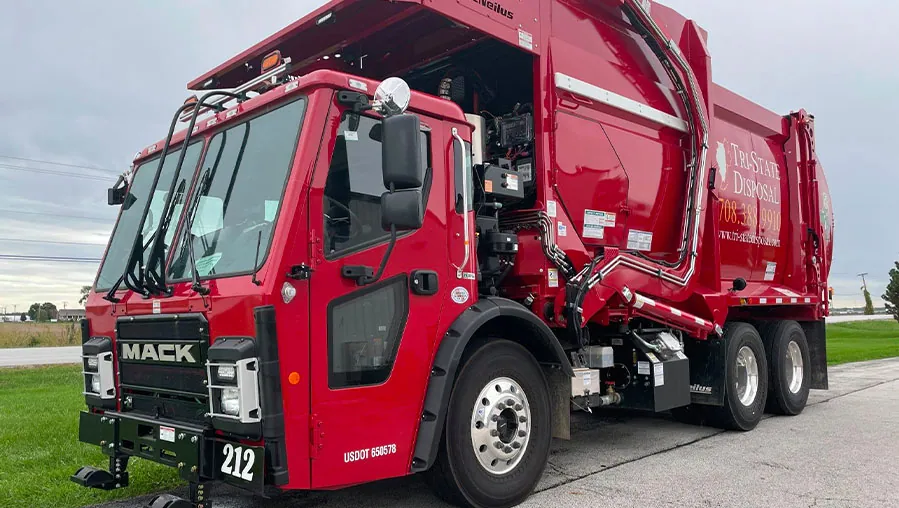
Have questions about what can and can’t go in your bin? You’re not alone. This Recycling FAQ answers the most common questions about residential recycling, helping you make smarter choices and reduce waste the right way.

Why is recycling important?
Recycling helps conserve natural resources, reduce landfill waste, lower greenhouse gas emissions, and protect the environment. By turning used materials into new products, we reduce the need to extract and process raw materials, which saves energy and supports a healthier planet.
Is Styrofoam recyclable?
In most cases, Styrofoam is not recyclable through curbside recycling programs. This includes packing peanuts, foam cups, and other food containers. Some drop-off locations may accept clean foam packaging, but it’s best to check with your local facility before placing it in your bin.
Can you recycle pizza boxes?
Only clean pizza boxes can be recycled. If the box is free of grease and leftover food, it can go in your recycling container. However, if the cardboard is soaked with oil or covered in cheese, it should go directly into the trash. You can always tear off the clean portions and recycle those.
Is glass recyclable?
Yes, glass is recyclable—but not all types. Most curbside programs accept clear, brown, and green glass bottles and jars. Items like mirrors, window glass, and ceramics are not recyclable and should be discarded separately.
Where to recycle batteries?
Batteries should never go in your curbside recycling bin. Many types contain hazardous materials and must be handled with care. You can usually recycle batteries at local hardware stores, electronic retailers, or community hazardous waste collection events. Check with your local recycling authority or visit Earth911.com to find a nearby drop-off site.
What plastics are recyclable?
Plastic recycling depends on the type and your local program. Typically accepted plastics include:
- #1 PET (e.g., water bottles)
- #2 HDPE (e.g., milk jugs, detergent containers)
Other plastics, such as plastic bags, film wrap, and #6 polystyrene (Styrofoam), are usually not accepted in curbside recycling. Always rinse containers and remove any food residue before recycling.
What should I do with electronics?
Electronics should be taken to a certified e-waste recycling facility. Items like TVs, computers, and phones contain valuable materials and sometimes harmful components. In Illinois, it’s illegal to throw e-waste in the trash, so check for a licensed e-waste drop-off site near you.
How can I make recycling easier at home?
To simplify your recycling routine:
- Learn what’s accepted in your area.
- Rinse containers before placing them in the bin.
- Avoid putting plastic bags or loose items into your cart.
- Keep recyclables clean, dry, and loose—never bagged.
Still have questions?
Tri-State Disposal is here to help with all your residential recycling needs. We offer reliable pickup services and helpful resources so you can recycle confidently and correctly. If you’re unsure about an item, don’t guess—give our team a call at (708) 388-9910 or contact us online.
Make the most of your efforts—recycle right with Tri-State Disposal.