
Composting does not have to stop when temperatures drop. While cold weather presents challenges, composting through winter is possible with the right approach. Understanding how cold affects organic waste and adjusting your routine can help you maintain a healthy winter compost pile while reducing what ends up in a frozen trash can.
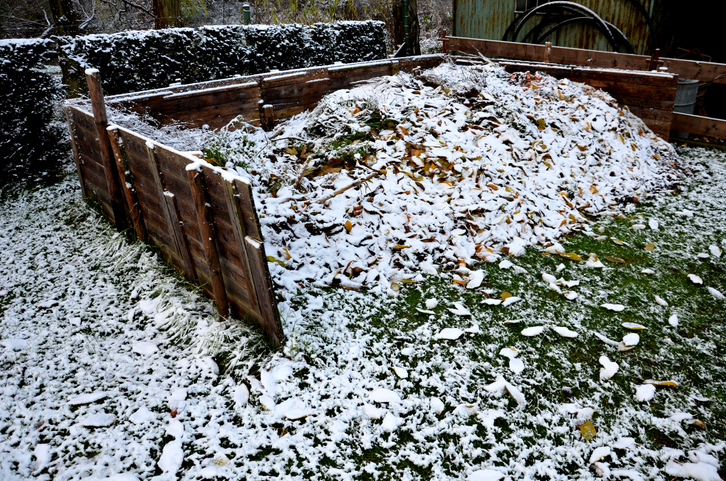
Why Composting Is Harder in Winter
Winter conditions slow down the natural composting process. Microorganisms that break down food scraps and yard waste become less active as temperatures fall. Snow, ice, and frozen ground can also make compost bins harder to access and manage.
A compost bin in winter may face several issues:
- Materials freeze and stop breaking down
- Moisture becomes trapped and turns to ice
- Accessing the bin becomes more difficult in snow
- Improper balance leads to odors or pests
When compost freezes solid, many people turn to the trash instead. This often leads to a frozen trash can filled with food waste that sticks to the bottom and creates collection problems.
Keep Your Winter Compost Pile Active
While composting slows during winter, it does not need to stop completely. A few adjustments can keep your winter compost pile working even in cold conditions.
Insulate Your Compost Bin
Insulation helps retain heat generated by decomposing materials. Placing straw, leaves, cardboard, or wood chips around your compost bin can help maintain internal warmth. Some people also use insulated bin covers or move their bin to a sheltered location.
Chop Materials Before Adding Them
Smaller pieces break down faster. Cutting food scraps into smaller portions before adding them to your compost bin in winter makes it easier for microbes to continue their work, even in colder temperatures.
Balance Greens and Browns
Maintaining the right mix of materials matters year round. Food scraps provide nitrogen, while dry leaves, shredded cardboard, and paper provide carbon. Adding extra brown material helps absorb moisture and prevents freezing into solid clumps.
Manage Moisture Carefully
Too much moisture increases the chance that your compost will freeze. Snow and rain can add unwanted water to your bin.
To manage moisture:
- Keep the bin lid closed and secure
- Add dry materials regularly
- Avoid adding liquids or overly wet food waste
A well-balanced pile stays damp but not soaked, which helps prevent ice buildup.
Make Winter Composting More Convenient
Cold weather can make daily composting feel inconvenient. Planning ahead helps reduce trips outside and keeps waste out of a frozen trash can.
Try these tips:
- Store food scraps in a sealed container indoors
- Empty the container every few days instead of daily
- Choose a compost bin location that remains accessible during snow
These steps make composting easier and safer during winter months.
Know When Composting Should Pause
In extremely cold conditions, some compost piles will freeze despite best efforts. This is normal. When this happens, materials will break down once temperatures rise again. Continuing to layer materials correctly allows the composting process to restart in spring.
Even if active composting slows, diverting food waste from your trash still reduces odors and prevents a frozen trash can from becoming a problem.
Winter Composting Supports Cleaner Waste Management
Composting during winter helps reduce landfill waste and supports environmentally responsible disposal practices. It also makes spring cleanup easier by keeping organic waste out of household trash.
Tri-State Disposal encourages responsible waste habits that support sustainability year round. Whether you compost at home or rely on professional waste services, proper disposal helps keep neighborhoods clean and safe.
Support Your Waste Routine All Winter Long
If winter weather makes waste management more challenging, Tri-State Disposal is here to help. From reliable residential collection to guidance on responsible disposal, we support cleaner communities in every season.
Call 708.388.9910 to learn more about our waste services and how to manage household waste efficiently during winter.