

When you hire a company for residential waste collection, you will receive a bin to place your trash in, but this does not mean you can just place anything inside the bin. With the rise of technology came a lot of scrutiny over what to do when electronics were phased out and replaced.
As you go through the evolution of electronics in your own home, you should learn about how to properly handle e-waste and avoid any issues with a garbage disposal service you hire to pick up your trash. Follow this guide to learn more about e-waste and what to expect when you sign up for a residential waste collection service.
What Is E-Waste?
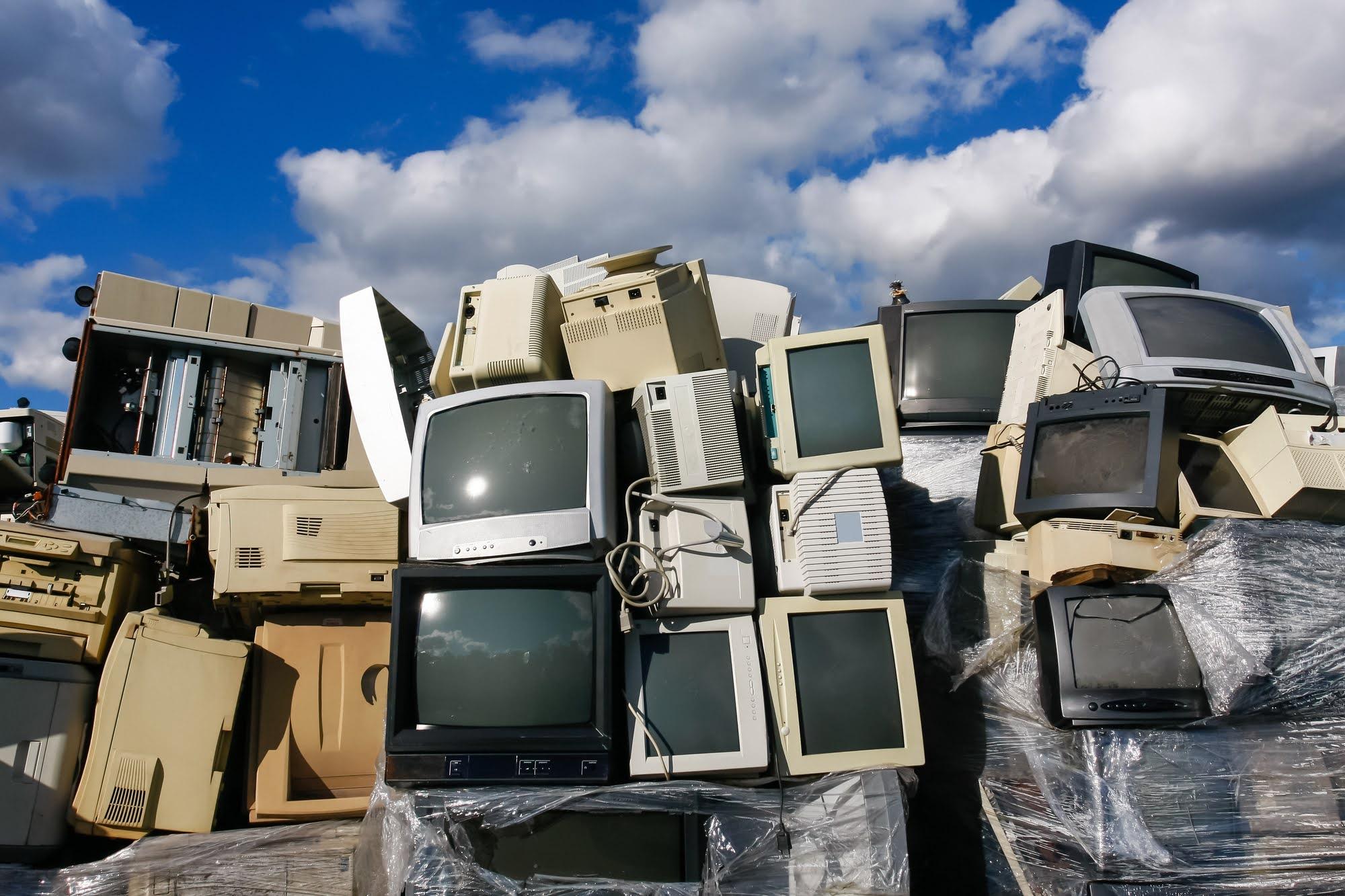
E-waste basically covers anything electronic. Electronic devices can include portable devices like cell phones and video game consoles. The e-waste also applies to large devices like computers, monitors, VCRs, televisions, and printers. It does not matter how old the electronic is, you will need to properly recycle it.
Along with the device itself, e-waste also includes the cords and cables that come with the device. For example, if you recycle a cell phone, you should recycle all of the charging cables it came with. If you recycle a video game console, then you should recycle the controllers and cables it came with. Keep all electronic components out of the trash just to be safe.
In Illinois, lawmakers want to avoid any type of e-waste in landfills. The electronics can often contain chemicals that can pollute the earth and do not decompose like normal trash. When you recycle the electronics, those components can get stripped down and used to help produce new products and devices.
What Happens If I Throw Away E-Waste?
While trash collectors will not inspect every piece of garbage you throw away, you could face fines if you toss out any type of electronic that belongs in e-waste recycling. In the state of Illinois, residents who throw away electronic products could face a first-time penalty of $25. If caught again, then the penalty increases to $50 for each ensuing violation.
Depending on how many violations a person commits, the fines can quickly add up. For example, the state could choose to fine a person for each electronic item in a trash collection. A trash bag filled with computer monitors and cables could face fines for each individual cable. The goal isn’t to collect money—it’s to prevent electronic waste in the future.
Where Can I Recycle Electronics?
There will come a point when you need to get rid of electronics but cannot use the residential waste collection to do so. Even if you sign up for recycling pick-up along with the waste, you cannot place the electronics in a standard recycling bin. Recycling electronics is a separate process from traditional recycling like paper and plastic.
When you sign-up for a residential waste collection service in your area, you will receive an online link or printout to access the nearest e-waste recycling center. The centers may have specific hours or special drop-off bins to place your electronics that you can use at any time.
It’s rare to find pick-up options for e-waste, so you will have to bring the items yourself. Ideally, you should start a collection bin in your home and then bring the electronics once the bin fills and you have a substantial amount to drop off at an e-waste facility. Choose a bin that you keep separate from your typical trash bin options.
Will Waste Collectors Accept Appliances?
Many modern appliances are essentially like large electronic devices. While appliances may have a lot of electronic components, you do not need to worry about hauling them off to an e-waste facility. When signing up for a residential waste collection service, you do have the opportunity to get rid of bulky items.
Typically, you can put one appliance out at a time for a pick-up. For example, you could put out an old refrigerator one week and then an old dishwasher the week after. Some collection companies may have specific guidelines for the pick-up. For example, you may have to remove the doors from old appliances before the pick-up.
The bulky waste will often go to recycling centers as well, but you do not need to worry about transportation. You simply have to get the appliance from your home to the curb to enable the pick-up crew to add the waste to their truck. You do not need to worry about removing any electronic components like touch screens or LCD panels.
For more information on residential waste collection and services, contact us at Tri-State Disposal. We provide full guides for all of our new customers so you do not have any questions about what can go into the trash and what should be a part of the e-waste process.


